
Isolation
Weeks of distance from towns reveal how keepers built resilience in solitary stations.
Stories Archive
These accounts trace the daily and extraordinary moments that shaped lighthouse life along the northern coast.
Weeks of distance from towns reveal how keepers built resilience in solitary stations.
Lamp tending, weather logs, and maintenance rounds formed the dependable rhythm of each day.
Gale-season testimony captures split-second decisions made when surf, wind, and darkness converged.
Letters and recollections show how households adapted childhood, learning, and care to remote towers.
Stories archive
Fragments from journals, maintenance logs, and oral histories that keep the northern coast’s lighthouse memory close and human.

In winter entries from 1898, keeper Elias Rowe recorded fog density, lamp burn time, and tide notes beside observations of fishing boats sounding for shore.
“Past midnight the lantern hummed softly, and every turn of glass felt like a promise made to unseen sailors.”Read keeper account
Maintenance notes from Headland Tower describe daily climbs through iron spiral steps, where keepers checked vents, polished lenses, and reset clockwork after heavy squalls.
“By dawn my hands smelled of brass polish and sea wind, and the light was clear again.”Read keeper account
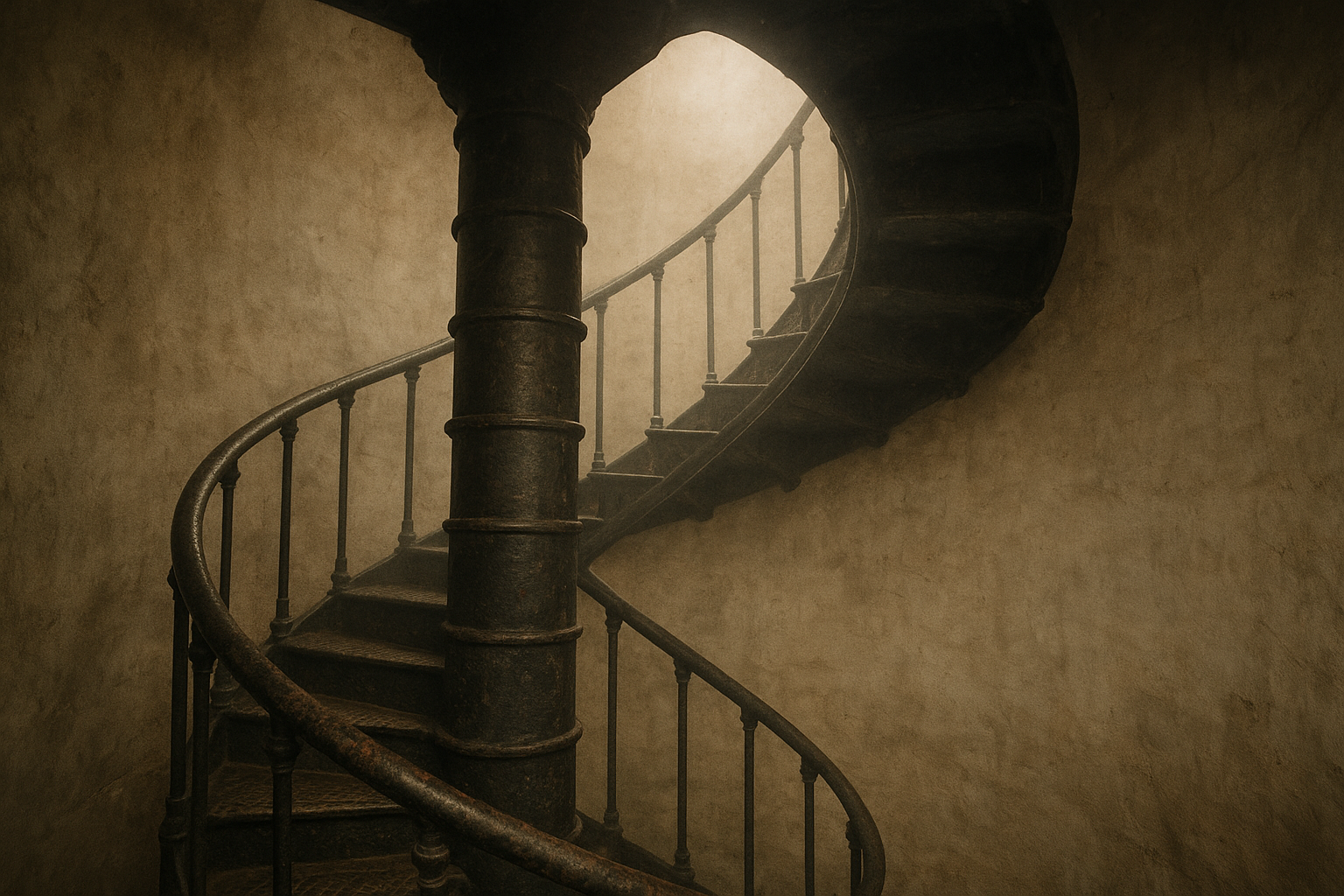

Oral history interviews recall the practical labor behind every beacon: mending rope lines, repairing shutters, and keeping spare wicks dry through damp coastal weeks.
“The lamp drew attention, but it was the quiet bench work that kept the tower faithful.”Read keeper account
Research FAQ
Quick answers on how we document lighthouse history, verify sources, and frame towers, maps, and keeper narratives.
We document lighthouse life along the northern coast from early station building through modern preservation, with attention to local maritime communities, daily operations, and changing shoreline conditions.
Each entry is curated from dated photographs, logbooks, newspapers, and preservation records. We prioritize sources with clear provenance and cross-check dates, names, and locations before publication.
A tower is listed as preserved when core structural elements remain and documentation confirms active stewardship, restoration, or protected status by a recognized heritage or municipal body.
Markers indicate preservation state and access context. Notes summarize site conditions, viewing guidance, and nearby references so readers can distinguish intact towers, partial remains, and relocated artifacts.
Stories are narrative summaries anchored to records. We separate documented facts from interpretive context, cite evidence where possible, and keep tone reflective without turning uncertain details into certainty.