Before 1700
Headland Beacon Fires
Raised braziers and chapel lights offered sailors rough nighttime bearings along the coast.
About the Archive
For generations, lighthouse keepers along the northern coast translated rough water, fog, and shifting weather into visible guidance. Their routines connected vessels to harbor, marked dangerous reefs, and helped coastal towns stay in contact with the wider sea.
This archive preserves that working heritage through records, photographs, and local memory so the towers remain more than landmarks—they remain evidence of maritime life, care, and continuity.
Chronology
A concise historical arc from improvised coastal signals to modern preservation of the surviving towers.
Before 1700
Raised braziers and chapel lights offered sailors rough nighttime bearings along the coast.
1760s–1820s
Permanent stone lights replaced temporary signals at major inlets and exposed reef passages.
1830s–1870s
Fresnel optics and regulated lamp mechanisms expanded range and improved reliability in storms.
1880s–1920s
Diaphones, sirens, and early radio beacons supplemented light where fog routinely obscured towers.
1930s–1970s
Remote controls and electrification reduced staffed stations, reshaping the keeper’s daily role.
1980s–Present
Heritage groups stabilized endangered towers and opened many sites for education and research.
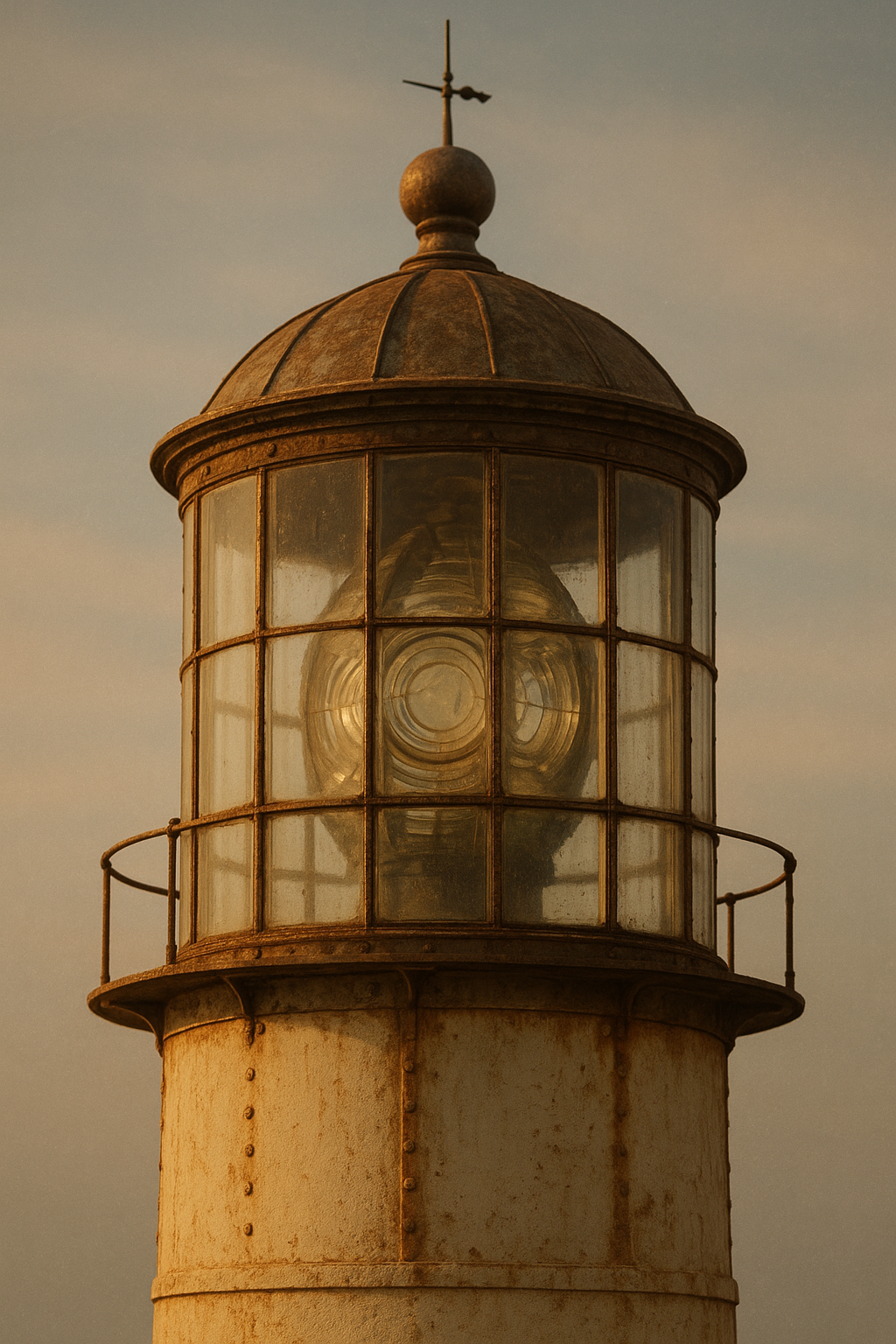
Along the northern coast, surviving towers and lantern rooms remain working evidence of maritime care. Their preservation keeps navigation history tangible, while giving present-day communities a clear record of craft, weathering, and stewardship.
Original masonry, ironwork, and glazing are documented and repaired with period-appropriate methods.
Lantern apparatus and maintenance marks are preserved as reference points for coastal engineering history.
Public records, map references, and keeper accounts connect each surviving structure to ongoing local stewardship.